
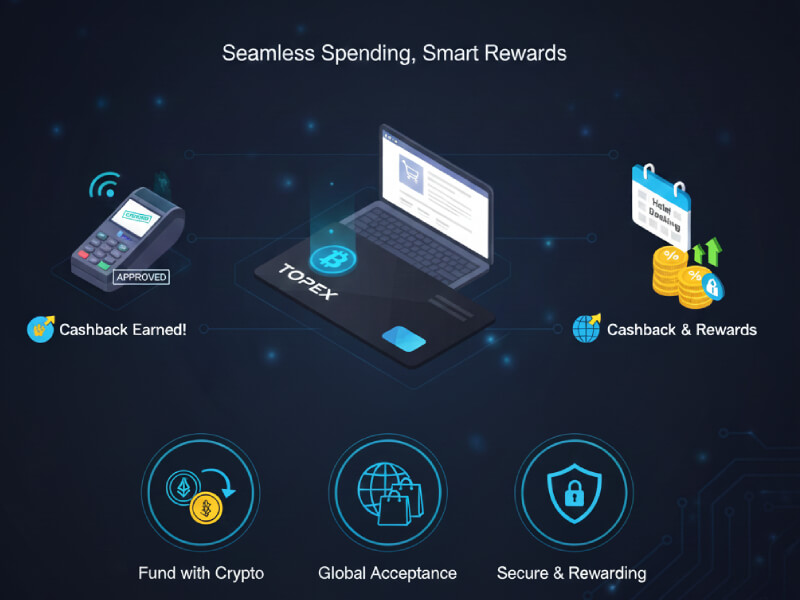
Crypto cards are specialized payment cards that let you spend your digital assets just like traditional debit or credit cards. Whether you hold Bitcoin, Ethereum, or stable coins like USDT, these cards convert your crypto into fiat currency at the moment of purchase, enabling seamless spending online, in physical stores, or for services such as travel, subscriptions, and more. Unlike standard bank cards, crypto cards bridge the gap between blockchain assets and everyday life, offering flexibility, convenience, and a practical way to use your crypto beyond trading platforms. Understanding how they work, including fees, security features, and supported networks, is key to choosing the right card that fits your financial habits and lifestyle.
What is Crypto Card?
A crypto card is a modern financial tool that bridges the gap between digital currencies and everyday spending. It functions just like a traditional payment card physical or virtual but allows users to access and spend their cryptocurrency holdings directly. With a crypto card, you can pay for goods and services, earn crypto rewards on purchases, or even do both at the same time, depending on the type of card. Popular cryptocurrencies like Bitcoin, Ethereum, or stable coins such as USDT are typically supported.
There are two main types of crypto cards:
- Crypto Debit Cards: These cards are linked directly to your digital assets stored in a crypto wallet or exchange account. When you make a purchase, the card deducts the corresponding amount from your crypto balance, instantly converting it into the local currency accepted by the merchant. This gives you the convenience of a debit card while allowing you to spend your crypto in the real world.
- Crypto Credit Cards: Similar to traditional credit cards, these cards let you make purchases on credit. However, instead of earning points or miles, each transaction rewards you with cryptocurrency. This turns everyday spending into an opportunity to grow your digital portfolio, giving you both convenience and rewards.
Understanding the difference between debit and credit crypto cards is essential. It determines how you fund your card, how rewards are earned, and which card type best fits your spending habits and financial goals.
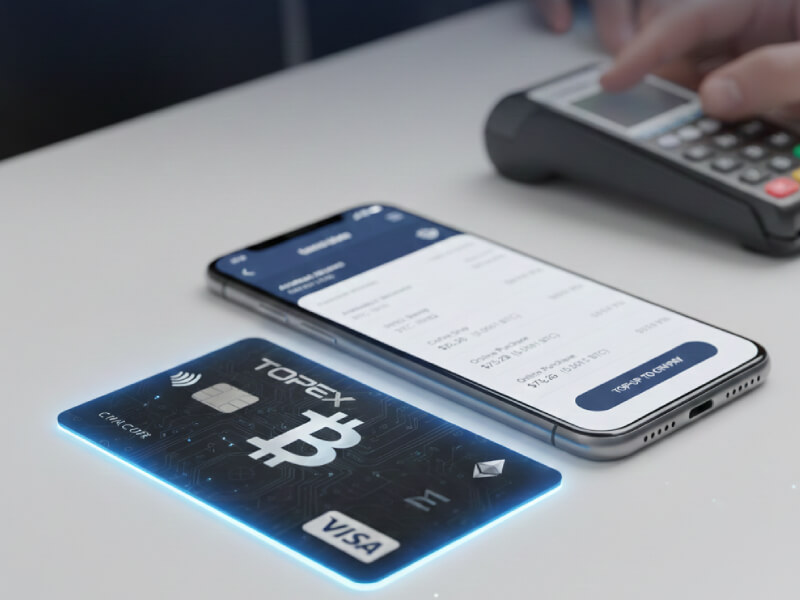
In short, crypto cards are more than just a novelty, they are a practical gateway for integrating
cryptocurrencies into daily life, making digital assets as usable as traditional money.
How do crypto cards work?
Crypto cards bridge the gap between digital currencies and everyday spending, but the way they operate depends on the type of card you have credit or debit.
Crypto Credit Cards: Using a crypto credit card feels just like using any standard credit card. You make a purchase, and the payment is processed as usual. The unique twist is that, instead of earning traditional rewards like points or miles, you earn cryptocurrency. These crypto rewards are credited to your account on the card issuer’s platform or linked exchange after the transaction settles. You can track your crypto balance, redeem it, or even convert it back to fiat whenever you like. Essentially, you’re spending with credit while your crypto portfolio grows in the background.
Crypto Debit Cards: Debit style crypto cards operate a little differently. Before spending, you need to “top up” your card with the cryptocurrency of your choice. When you make a purchase, the card automatically converts the necessary amount of crypto into the local currency to pay the merchant. From the merchant’s perspective, the transaction looks just like a normal payment, so they don’t need to accept crypto directly. This setup lets you spend your digital assets anywhere debit or credit cards are accepted, without friction.
How to Top Up a Crypto Debit Card?
Funding a crypto debit card is generally straightforward, though the exact steps can differ depending on the platform you’re using. The key idea is to convert some of your cryptocurrency holdings into a ready to spend balance on your card.
- First, log into the app or web platform of the exchange or issuer where your crypto card is held. Navigate to the section dedicated to your card, often labeled “Card” or “Wallet.” Look for the “Top Up” or “Load Funds” option.
- Next, choose the cryptocurrency you want to use commonly Bitcoin (BTC), Ethereum (ETH), or a stable coin like USDT and enter the amount you wish to load. The platform will then convert or earmark these funds specifically for your card balance.
- After confirming the transaction, the top up will usually process almost instantly or within a few minutes, depending on network confirmations. Once complete, your card balance reflects the newly loaded amount, ready to use for purchases anywhere the card is accepted.
In short, topping up a crypto debit card transforms your digital assets into real world spending power, seamlessly bridging the gap between crypto and everyday payments.
Once you know how to fund your card, you’ve unlocked a powerful tool for financial freedom. However, the real utility comes from the seamless transition between digital assets and everyday spending. Understanding the mechanics behind Converting Crypto Into Fiat allows you to manage your card’s balance more effectively, ensuring you’re always ready to use your gains in the real economy.
Differences Between Crypto Cards and Traditional Debit or Credit Cards
Crypto cards, just like Topex Cards, allow users to spend digital assets such as USDT, BTC, and ETH directly for everyday purchases. Unlike traditional debit or credit cards that operate solely with fiat currency, Topex Cards let you use your crypto without complicated or time consuming conversions, while also offering benefits like cashback and a multi tier loyalty program.
While traditional cards only provide basic payment and withdrawal functions, Topex Cards give you advanced financial control: fast top ups, global online shopping, subscription payments, hotel bookings, and even access to premium travel services. This combination makes Topex Cards not just a payment tool, but a smart way to manage digital assets and maximize everyday purchasing power.
In short, the key differences with Topex Cards are:
- They can be funded directly with cryptocurrencies.
- They instantly convert your crypto into purchasing power.
- They provide added value through cashback and loyalty rewards, surpassing traditional cards.
Understanding how to spend your digital assets efficiently is key to mastering the web3 economy. Many users often get confused about which financial tool suits their lifestyle better whether it’s earning rewards on every purchase or spending directly from their wallet balance. To get a complete breakdown of the fees, benefits, and mechanics of these two options, you should read our comprehensive guide on Crypto Credit Cards vs. Crypto Debit Cards: What’s the Difference? to make an informed decision for your crypto journey.

What Does the Future Look Like For Crypto Cards?
On its current trajectory, the popularity of crypto cards looks likely to continue rising as crypto is adopted by millions more around the world.
Some of the key developments which might happen in the years to come are:
- Additional supported assets, top up methods, and payment types to increase flexibility of usage.
- Lower fees, and reduced friction between crypto card providers and merchants.
- Wider integration of stable coins for payment using crypto cards.
- Native acceptance of crypto itself at merchants, which is already taking place in select cases.
Eligibility and Requirements
To use a crypto card, users generally need to meet several basic eligibility criteria. This usually includes being above a minimum age, having legal residency in a supported country, and completing identity verification (KYC) by submitting valid identification documents such as a passport or driver’s license. Some platforms may also require proof of address or additional verification steps to comply with regulatory standards.
It’s equally important to check which countries the card is supported in, as availability can vary due to local regulations and restrictions imposed by the issuing platform. Additionally, certain cards may have specific requirements regarding the type of cryptocurrency supported, minimum balance, or funding methods. Ensuring you meet all eligibility criteria and understanding
Benefits of Using a Crypto Card
Crypto cards offer several advantages for both everyday spending and managing digital assets. One key benefit is enhanced security, as most cards include features like two-factor authentication to help protect your funds. They are also easy to use, often allowing instant activation without the need for a traditional bank account, which makes online and international payments seamless.
Beyond convenience and security, many crypto cards provide additional perks such as rewards, cashback, or loyalty points on purchases, giving users extra value for their spending. These benefits make crypto cards a versatile tool for both everyday transactions and maximizing the utility of your digital assets.
Potential Risks and Considerations
While crypto cards provide convenience and added benefits, users should be mindful of certain risks. Cryptocurrency values can be highly volatile, which may affect the purchasing power of your funds. Legal restrictions and regulations can vary depending on the country, potentially limiting how and where the card can be used. Additionally, transaction fees, annual fees, or other charges may impact the overall cost of using a crypto card. Being aware of these factors helps users make informed decisions and manage their digital assets responsibly.
Use Cases and Real Life Applications
Crypto cards are highly versatile and can be integrated into various aspects of daily life. They allow users to pay for online subscriptions such as Netflix or Spotify, making digital services easy to access. Freelancers and international workers can use them to receive payments or make cross-border transactions efficiently. Some crypto cards offer travel-related perks, including rewards for flights, hotels, or travel insurance. Additionally, businesses can leverage dedicated corporate crypto cards to manage expenses, streamline payments, and monitor employee spending, providing a modern alternative to traditional corporate cards.
Conclusion
Crypto cards combine convenience, security, and rewards, making them a practical and versatile tool for managing digital assets and everyday spending. They allow users to access and spend their cryptocurrency seamlessly, both online and in store, without the need for complex banking setups. Enhanced security features such as two-factor authentication and fraud protection help safeguard funds, while cashback, loyalty points, and other rewards add extra value to each transaction.
Beyond individual use, crypto cards are increasingly being adopted for business purposes, including corporate expenses and international payments, providing flexibility and efficiency. As cryptocurrencies continue to integrate into mainstream finance, crypto cards are becoming an essential part of modern financial management, bridging the gap between digital assets and everyday financial needs.
FAQ
What is a crypto card?
A crypto card is a payment card that allows you to spend cryptocurrencies like BTC, ETH, or USDT for everyday purchases, or earn crypto rewards on your spending.
How does a crypto debit card work?
You top up your crypto debit card with your digital assets, which are then converted to fiat at the time of purchase. The merchant sees no difference from a regular card transaction.
What are the fees for crypto cards?
Fees may include annual or monthly membership, top up charges, withdrawal fees, and conversion fees. Always check the terms before using a card.
Who can apply for a crypto card?
Eligibility varies, but typically applicants must meet age requirements, provide identity verification (KYC), and reside in supported countries.
Are crypto cards safe to use?
Yes, most crypto cards offer strong security measures like encryption, two factor authentication, and instant activation for safe usage.