
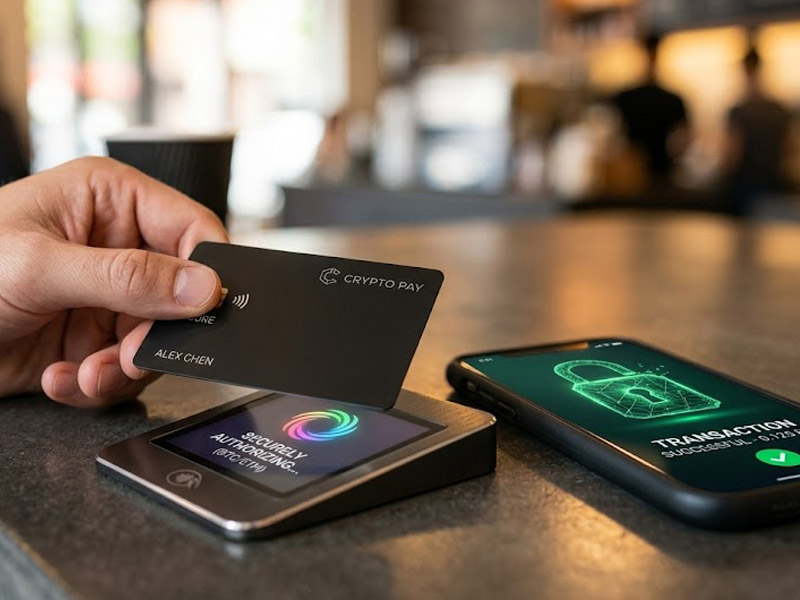
Cryptocurrency has transformed how people store and transfer value. However, using digital assets for everyday payments still raises an important question: how can these transactions remain secure while staying convenient? As more people begin spending digital assets in real-world situations, secure payment tools have become essential.
One of the most practical solutions is a crypto card. This payment method bridges the gap between cryptocurrency wallets and everyday spending, allowing users to access their digital assets while maintaining strong security controls.
In this guide, we will explore how a crypto card for secure crypto payments works, the security mechanisms behind it, and how users can protect their funds while spending digital assets confidently.
Why Secure Crypto Payments Matter Today
Security has always been a critical concern in the world of cryptocurrency. Unlike traditional financial systems, blockchain transactions are irreversible. Once a transaction is confirmed, it cannot easily be reversed or cancelled. This makes protecting funds and payment credentials extremely important.
As crypto adoption grows, more users want to spend their assets in daily life, whether for travel, online purchases, or digital services. However, direct wallet transactions may expose users to certain risks if not managed properly.
Secure crypto payment solutions help reduce these risks by introducing safeguards such as encrypted transaction channels, authentication mechanisms, and fraud monitoring systems. Encryption technologies ensure that sensitive data remains protected while transactions are processed, making it extremely difficult for attackers to intercept payment information.
Crypto cards are designed specifically to address these concerns by combining the flexibility of digital assets with the security infrastructure needed for real-world payments.
What Is a Crypto Card and How Does It Work?
To understand how secure crypto payments work, it is important to first understand what a crypto card is.
A crypto card is a payment card connected to a cryptocurrency account or wallet. Instead of holding fiat currency directly, it allows users to spend digital assets that are stored in their crypto balance.
When a transaction occurs, the card provider processes the payment by converting the selected cryptocurrency into the appropriate settlement currency behind the scenes. This conversion happens almost instantly, allowing the transaction to complete just like any standard card payment. The result is a smooth experience: the merchant receives payment in their preferred currency while the user spends cryptocurrency from their account.
Crypto cards typically operate through a mobile app or online dashboard where users can:
- Manage balances
- Monitor transactions
- Enable security controls
- Add or remove cryptocurrencies
This structure allows digital assets to function as a practical payment method rather than just an investment.
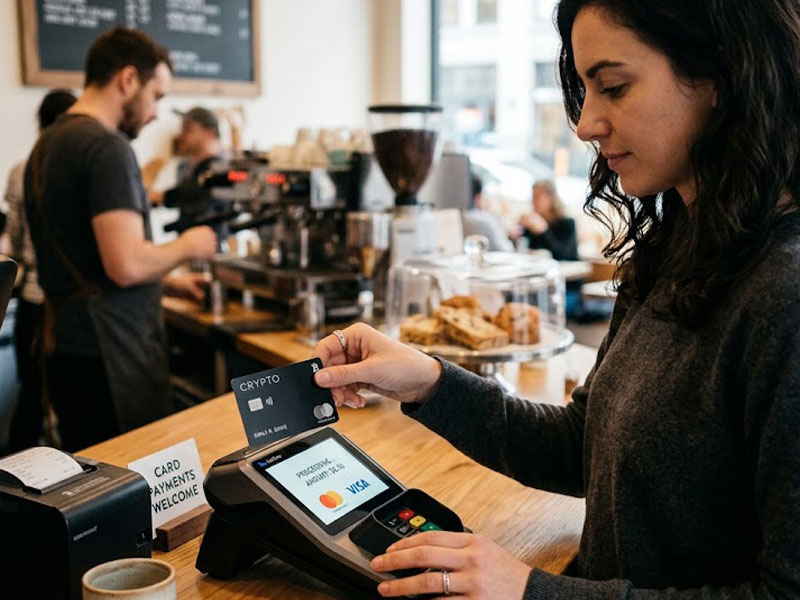
How Crypto Cards Enable Secure Cryptocurrency Payments
Crypto cards enable secure payments by introducing an additional security layer between the user’s wallet and the payment environment. Instead of exposing private wallet keys during every transaction, the card system acts as an intermediary. The payment infrastructure handles the conversion and transaction authorization while protecting the underlying digital assets.
Several mechanisms help maintain security:
Transaction encryption ensures that payment data cannot be intercepted during processing.
Authentication layers verify the identity of the cardholder before a payment is approved.
Secure card technology protects sensitive data stored on the card itself.
Many systems also integrate secure elements, special hardware components designed to protect sensitive information such as cryptographic keys. These components are resistant to tampering and physical attacks. Together, these technologies create a secure bridge between cryptocurrency accounts and everyday payment environments.
Key Security Features to Look for in a Crypto Card
Not all crypto cards offer the same level of protection. When evaluating a Crypto Card for Secure Crypto Payments, users should look for several important security features.
- Two-Factor Authentication (2FA): Two-factor authentication adds an extra verification step before transactions are approved. This usually involves a password combined with a secondary confirmation, such as a mobile authentication code or biometric verification.
- Encryption and Secure Data Transmission: Modern crypto payment systems rely on advanced encryption standards to protect sensitive information during transactions. Encryption converts payment data into unreadable code that can only be decrypted by authorized systems.
- Instant Card Control: The ability to freeze or disable the card instantly through the mobile application protects in case of loss or suspected fraud.
- Transaction Monitoring: Real-time monitoring systems analyze transactions and detect unusual patterns that may indicate unauthorized activity.
- Secure Infrastructure: Reliable platforms operate on enterprise-grade infrastructure with continuous monitoring and security audits to detect potential threats. When combined, these features significantly reduce the risk of unauthorized access or payment fraud.
How to Use a Crypto Card for Safe Payments
Using a crypto card securely requires understanding both the payment process and the platform’s controls. The first step is to meet the crypto card requirements, which typically include creating a verified account and completing identity verification procedures to prevent fraud. Once the card is activated, users typically follow these steps:
- Transfer digital assets to the card account or wallet.
- Select the cryptocurrency they want to spend.
- Use the card for online or in-store purchases.
- Monitor transaction history through the card provider’s app.
Before making payments, users may also need to understand how to top up crypto card balances. This usually involves transferring cryptocurrency from an external wallet or exchange into the card account. Maintaining a clear overview of balances and transactions ensures users remain aware of how their funds are being used.
Best Practices for Keeping Crypto Card Payments Secure
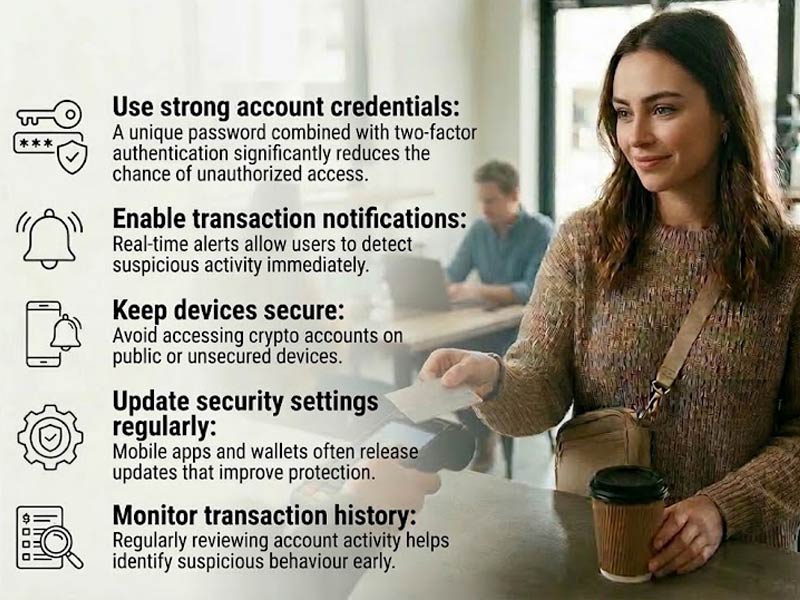
Even with strong platform security, user behaviour plays a critical role in protecting funds. Here are several best practices that experienced crypto users follow:
- Use strong account credentials: A unique password combined with two-factor authentication significantly reduces the chance of unauthorized access.
- Enable transaction notifications: Real-time alerts allow users to detect suspicious activity immediately.
- Keep devices secure: Avoid accessing crypto accounts on public or unsecured devices.
- Update security settings regularly: Mobile apps and wallets often release updates that improve protection.
- Monitor transaction history: Regularly reviewing account activity helps identify suspicious behaviour early.
Security is strongest when both the platform and the user maintain protective practices.
Common Security Risks When Using Crypto Cards
Although crypto cards are designed to be secure, certain risks still exist.
- Phishing Attacks: Attackers may attempt to trick users into revealing login credentials through fake websites or emails.
- How to avoid it: Always verify website URLs and avoid clicking suspicious links.
- Device Malware: Malicious software can attempt to intercept login details or modify transactions.
- How to avoid it: Use updated security software and avoid downloading unknown applications.
- Weak Account Security: Accounts without strong authentication can be vulnerable to unauthorized access.
- How to avoid it: Always enable two-factor authentication and use strong passwords.
Understanding these risks allows users to take preventive measures before problems occur.
How to Choose a Secure Crypto Card for Everyday Payments
Choosing the right crypto card involves evaluating both security and usability. Key factors include
- Security architecture: Look for encryption, authentication layers, and secure infrastructure.
- Supported cryptocurrencies: A broader selection of supported assets provides greater flexibility.
- Transparency and reliability: Clear fee structures and transparent policies help build trust.
- Rewards and incentives: Many crypto cards offer loyalty programs or cashback-style benefits
One example of a modern crypto-powered payment solution is Topex. This next-generation card allows users to spend digital assets conveniently while earning rewards on everyday purchases. Users can load their accounts with supported cryptocurrencies and spend globally wherever standard payment networks are accepted. Each purchase contributes to a loyalty program that accumulates reward points, which can later be redeemed for benefits such as cashback, travel rewards, or other exclusive perks.
The platform also emphasizes transparency, ensuring that fees and reward structures remain clearly visible to users. Additionally, Topex provides continuous customer assistance and maintains support availability around the clock, helping users resolve issues quickly. The reward system encourages ongoing use by offering increasing benefits as users move through higher loyalty tiers, unlocking additional privileges and merchant promotions.
The Future of Secure Payments with Crypto Cards
Crypto cards are rapidly evolving as blockchain adoption continues to grow. Future developments may include:
- Advanced biometric authentication
- Improved privacy technologies
- Integration with decentralized finance ecosystems
- Enhanced fraud detection powered by artificial intelligence
These improvements will make crypto payments even more secure while maintaining the convenience users expect from modern payment solutions. As digital assets become more widely accepted, crypto cards will likely play a major role in bridging blockchain technology with everyday financial activity.
Conclusion
A crypto card for secure crypto payments offers one of the most practical ways to spend digital assets while maintaining strong protection for user funds. By combining encryption, authentication layers, secure infrastructure, and user-controlled security settings, crypto cards create a reliable bridge between cryptocurrency wallets and everyday transactions.
However, security does not depend solely on technology. Users must also follow best practices such as enabling authentication controls, monitoring transactions, and protecting account credentials. When used responsibly and paired with a trusted platform, crypto cards allow users to enjoy the flexibility of digital assets while maintaining the security required for modern financial activity. As the ecosystem continues to evolve, crypto cards will remain a key component of secure, accessible, and convenient crypto payments in the digital economy.
FAQs
What happens if a crypto card is lost or stolen?
If a crypto card is lost or stolen, users should immediately freeze or disable the card through the provider’s app or support system. This prevents unauthorized transactions. Many platforms also offer quick replacement options so users can continue accessing their funds without long interruptions.
Are crypto card payments safer than direct cryptocurrency wallet transfers?
Crypto card payments provide an additional security layer over direct wallet transfers. While direct crypto payments are irreversible and expose your wallet to risks, a crypto card processes transactions through a controlled system, protecting your assets while enabling convenient spending.
What security steps should users take before making their first crypto card payment?
Before using a crypto card for the first time, users should configure essential security settings within their account. This includes enabling two-factor authentication, verifying account information, and reviewing card controls available in the platform dashboard. Taking these steps ensures that the card is protected from unauthorized access and that every transaction requires proper authentication.
Can crypto cards help reduce exposure of private wallet keys during payments?
Yes. One of the security advantages of crypto cards is that they allow users to make payments without exposing their private wallet keys. The card infrastructure processes the transaction on behalf of the user, which means the private keys associated with the wallet remain protected and are not directly used during each payment.
How do crypto card platforms detect potentially fraudulent transactions?
Many crypto card systems rely on automated monitoring tools that analyze transaction patterns in real time. These systems look for unusual behaviour, such as sudden high-value purchases or transactions from unfamiliar locations. If suspicious activity is detected, the system may temporarily block the transaction or request additional verification from the user.