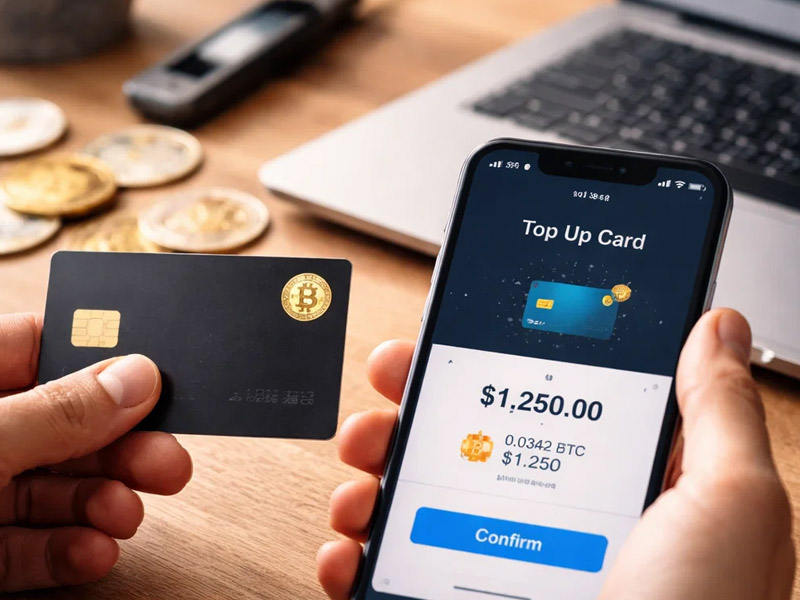

Crypto cards have moved from niche tools for early adopters to practical financial products used for everyday spending. But the core question remains the same for most users: Is a Crypto Card Worth It?
From a specialist’s perspective, the answer is rarely a simple yes or no. The real value of a crypto card depends on how you earn, store, spend, and think about digital assets. Some users gain real purchasing flexibility and rewards, while others end up paying hidden costs or exposing themselves to unnecessary volatility.
This guide breaks down the decision process in a practical way, so you can judge whether a crypto card truly fits your financial habits before applying.
What Does “Worth It” Really Mean for a Crypto Card User
When people ask whether a crypto card is worth it, they often focus only on rewards or convenience, but from a practical standpoint, the definition of value is broader than that. A crypto card becomes worth it when it improves how smoothly you can move between holding digital assets and actually using them in daily life, reduces the need for manual conversions, and gives you measurable advantages in return for your spending. Understanding the real crypto card benefits means looking at whether the card saves time, adds meaningful rewards over the long run, and fits naturally into how you already manage your crypto rather than forcing you to change your habits. If it simplifies your financial flow and gives you consistent value back from purchases, it may be worth applying; if it adds friction or only delivers occasional perks, the benefit quickly disappears.
Who Actually Gets Real Value From a Crypto Card
In practice, crypto cards deliver the most value to three types of users:
- Frequent crypto earners: If you regularly receive payments in crypto or maintain a steady portfolio, a card can turn digital holdings into practical spending power without constant transfers.
- Users who spend regularly rather than occasionally: Cards are built for repeated use. Someone paying for groceries, travel, subscriptions, and online purchases will benefit far more than someone who uses it once a month.
- Reward-focused users: Some modern crypto cards emphasize loyalty programs, cashback structures, and tiered perks. For example, products like Topex are designed around everyday usability, letting users load crypto, spend globally, and collect points or cashback on purchases. These features can make a noticeable difference for people who already use digital assets frequently.
If you don’t fall into at least one of these categories, the value proposition becomes weaker.
When a Crypto Card Is NOT Worth It
From a specialist standpoint, crypto cards are often not worth it in the following situations:
- You rarely spend from crypto holdings
- You treat crypto strictly as a long-term investment
- You dislike monitoring exchange rates or fees
- You prefer separating investments from daily spending
If your crypto is meant to stay untouched for years, introducing a spending tool may actually work against your strategy. In those cases, converting small amounts manually when needed can be more efficient than maintaining a dedicated card.
The same applies if you don’t want to track price movements. Since your spending value depends on market conditions, users who prefer predictable budgeting may find crypto cards stressful rather than helpful.
The Hidden Costs That Can Cancel Out the Benefits
Many comparison articles underestimate this part, but hidden costs are one of the main reasons users abandon crypto cards after the first few months.
Typical cost factors include:
- Conversion spreads between crypto and fiat value
- Withdrawal or inactivity fees
- Reward structures that only apply above certain spending levels
- Market timing losses when prices drop after you top up
Even cards with transparent fee models require you to calculate total cost per transaction, not just headline percentages.
A card may advertise rewards, but if those rewards are smaller than the cumulative costs of converting and spending, the real return becomes negative. This is why high-usage users benefit most, they dilute the fixed costs across more transactions.
How Much Do You Need to Use It
A useful rule from industry data is this:
If you won’t use the card at least several times per week, the value often drops sharply.
Crypto cards are optimized for consistent usage. When used regularly, loyalty tiers, points, or cashback systems accumulate faster and offset costs. When used rarely, they behave more like an expensive conversion tool.
This is especially relevant for people planning to use the card only for travel or occasional purchases. In those cases, the benefits may never outweigh the setup and usage costs.
On the other hand, someone who shops online frequently, pays for services digitally, and already holds crypto may see real value, particularly if they understand how to use a crypto card in online shops efficiently and integrate it into their routine spending.
Does Market Volatility Make Crypto Cards Risky to Use
Yes, but not always in the way people think.
Volatility becomes a problem mainly when users top up large balances and leave them unused. If prices drop, the spending value of that balance falls as well.
However, many experienced users manage this risk by:
- topping up smaller amounts more frequently
- spending shortly after loading funds
- maintaining only the balance they expect to use
In this sense, volatility is manageable if you treat the card as a spending tool rather than a storage wallet.
The risk becomes significant only when users mix investment behavior with spending behavior, keeping large sums loaded while waiting for rewards or convenience.
Is It Worth It for Long-Term Holders vs Active Spenders
Understanding how you use crypto, whether as a long-term investment or for regular spending, makes a big difference in determining the real value of a crypto card. Different usage patterns lead to very different benefits, so it’s important to consider which category you fall into before deciding if the card makes sense for you.
For long-term holders:
A crypto card is usually a convenience tool, not a financial advantage. Its value depends entirely on how often you actually spend from your holdings. If spending is rare, the card adds little benefit.
For active spenders:
The equation changes. A card becomes part of your financial infrastructure. If you regularly move funds, pay for services, or shop online, the convenience and reward accumulation can become meaningful over time.
In short:
- Investors get flexibility
- Spenders get functionality and rewards
Only the second group consistently sees strong value.
Real-Life Scenarios: When a Crypto Card Pays Off, and When It Doesn’t
Scenario 1: The Remote Freelancer (Pays Off)
A freelancer earning part of their income in crypto uses the card weekly for daily expenses. They avoid repeated manual conversions, earn rewards on spending, and maintain predictable usage. Here, the card clearly adds efficiency.
Scenario 2: The Long-Term Investor (Doesn’t Pay Off)
Someone holding crypto for future growth loads funds once, spends rarely, and monitors prices constantly. They gain little from rewards and risk losing value from volatility. The card adds complexity rather than benefit.
Scenario 3: The Digital Shopper (Often Pays Off)
A user who shops online frequently and already manages a crypto balance integrates the card into their routine. Regular spending helps offset costs, and loyalty perks accumulate steadily. For this profile, a well-structured crypto card can be genuinely useful.

Conclusion
Ultimately, the answer to Is a Crypto Card Worth It? depends less on the product itself and more on how naturally it fits into your financial habits. For people who already earn, hold, and spend crypto regularly, a well-structured card can simplify payments, unlock rewards, and make digital assets feel more practical in daily life. For those who mainly treat crypto as a long-term investment or spend from it only occasionally, the benefits are often too small to outweigh the effort, fees, or exposure to price fluctuations. In other words, a crypto card is not automatically valuable, it becomes worth it only when it aligns with how you actually use your money, not how you think you might use it in the future.
FAQ
Do crypto cards make sense for someone who only invests long-term?
Generally not. If you rarely spend your crypto and treat it primarily as an investment, the benefits are minimal, and market volatility could reduce the card’s value for you.
How often would I need to use a crypto card for it to be worth applying for?
Regular use is key. Users who spend consistently, daily or weekly, on essentials, online shopping, or services are most likely to benefit from rewards and convenience.
Can a crypto card still be valuable during volatile market conditions?
Yes, if you manage your top-ups wisely. Loading only the amount you plan to spend soon can minimize the impact of price swings while still allowing you to earn rewards.