
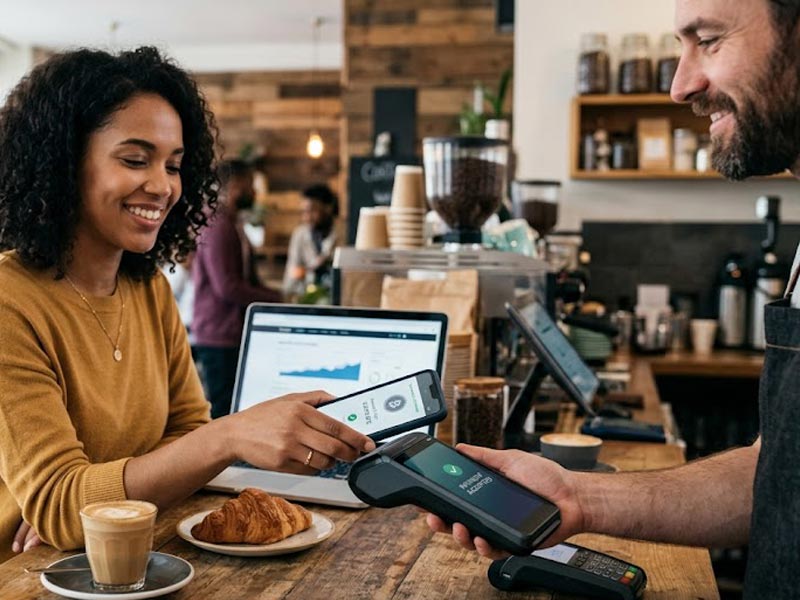
Crypto payment solutions are quietly changing the way we think about money, payments, and even everyday spending. Instead of relying only on traditional banking systems, people can now use digital assets like cryptocurrencies to pay for goods and services, send money across borders, or even earn rewards while spending.
In this article, we’ll walk through what crypto payment solutions actually are, how they work in real life, and why they’re becoming such a big deal. We’ll also look at the different types of solutions, like payment gateways, wallets, stablecoins, and crypto payment cards, and how they fit into everyday use cases. On top of that, we’ll explore their benefits, limitations, and where all of this is heading in the future.
If you’ve ever wondered how crypto can actually be used beyond investing or trading, this is exactly what crypto payment solutions are built for.
What Are Crypto Payment Solutions?
At a simple level, crypto payment solutions are tools and systems that let you use cryptocurrency to pay for things in the real world or online. Think of them as the “bridge” between crypto and everyday shopping.
Instead of crypto just sitting in a wallet as an investment, these solutions make it usable, like money you can actually spend.
Here’s what they really do in practice:
- Let users pay with crypto instead of traditional money
- Help businesses accept crypto without technical complexity
- Convert crypto into local currency when needed
- Keep transactions secure through blockchain technology
What’s interesting is that most users don’t even feel the complexity behind it. Everything is designed to make crypto feel as simple as tapping a card or clicking “pay.”
How Crypto Payment Solutions Work
Even though it feels simple from the outside, there’s a lot happening behind the scenes when you make a crypto payment.
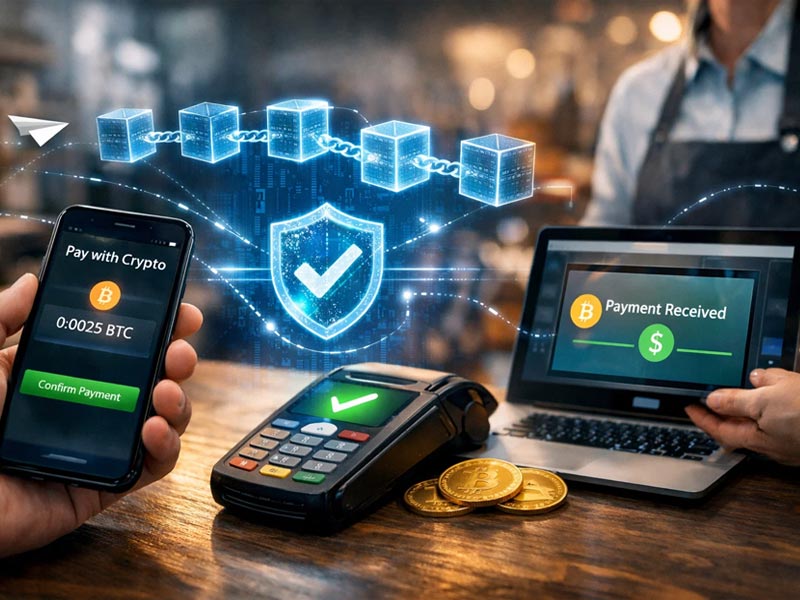
Here’s what typically happens:
- You choose crypto as your payment method
- A secure transaction request is created
- The blockchain verifies that everything is valid
- The payment is processed and confirmed
- The merchant receives the payment (either in crypto or converted value)
The whole process usually takes seconds, especially with modern systems built for speed.
What makes this really powerful is automation. You don’t need to manually convert crypto or worry about technical steps; the system handles all of that for you in the background.
Types of Crypto Payment Solutions
Crypto payments aren’t just one thing. There are actually several different systems working together to make everything possible.
4.1 Crypto Payment Gateways
Crypto payment gateways are basically the “middle layer” between customers and businesses. They help merchants accept crypto without needing to understand blockchain technology deeply. In practice, they:
- Process crypto payments and confirmations
- Handle conversion if needed
- Give businesses simple dashboards to track payments
So instead of building everything from scratch, companies can just plug into a ready-made system.
4.2 Crypto Debit and Credit Cards
This is where crypto becomes really practical in everyday life. A crypto debit card lets you spend your crypto just like normal money at millions of merchants. The conversion happens automatically when you pay.
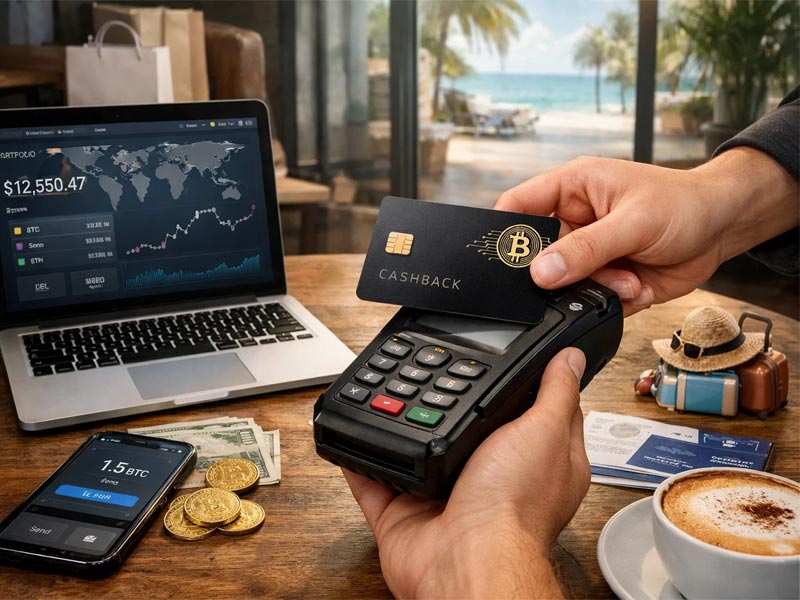
Now, things get even more interesting when rewards come into play. For example, a crypto cashback card lets you earn rewards every time you spend, which basically turns everyday purchases into something more rewarding.
And if you travel often, a crypto debit card for travel makes things even easier by letting you spend globally without worrying about currency switching or delays.
4.3 Wallet-Based Payments
Wallet-based payments are probably the most “crypto-native” way to pay. Here, you simply send crypto directly from your wallet to another person or merchant. It’s:
- Direct
- Fast
- Peer-to-peer
- Fully controlled by the user
There are no banks or middle layers involved. That’s why a lot of crypto users love this method; it feels clean and independent.
4.4 Stablecoin Payment Solutions
Crypto can sometimes be volatile, and that’s where stablecoins come in. Stablecoin payment solutions use digital currencies that are tied to stable assets like the US dollar. This makes payments more predictable.
Why people use them:
- Prices don’t fluctuate wildly
- Better for business payments
- Great for international transfers
- Easier for accounting and budgeting
So instead of worrying about value changes, you just focus on the transaction itself.
4.5 API & Embedded Payment Infrastructure
This is more on the technical side, but it’s actually what powers a lot of modern crypto platforms. APIs allow businesses to plug crypto payments directly into their apps or websites. That means:
- Crypto checkout systems can be built easily
- Subscriptions can be paid in crypto
- Payments can run automatically in the background
It’s basically the infrastructure layer that makes everything scalable.
Key Features of Crypto Payment Solutions
If you strip everything down, crypto payment systems usually share a few key traits:
- Fast transaction processing
- Global accessibility
- Strong security through blockchain
- Support for multiple cryptocurrencies
- Less dependency on banks or intermediaries
What’s important here is not just the technology, but the experience. Everything is designed to make payments feel simple, even if the system behind it is complex.
Benefits for Users (Consumers)
From a user’s perspective, crypto payment solutions are mostly about freedom and flexibility. You can:
- Spend crypto globally without restrictions
- Move money faster than traditional systems
- Access rewards and loyalty programs
- Stay in control of your funds
And speaking of rewards, tools like a crypto cashback card make everyday spending feel more valuable because you actually get something back every time you use it. It’s not just about paying, it’s about getting more out of your money.
Benefits for Businesses (Merchants and Platforms)
For businesses, crypto payments open up a completely new customer base. They can:
- Accept payments from global crypto users
- Reduce payment delays
- Avoid some traditional banking friction
- Expand internationally with fewer barriers
For companies managing teams or expenses, a crypto corporate card can also help simplify spending and make financial operations more flexible. So it’s not just about accepting crypto, it’s about improving how money flows inside the business.
Crypto Payment Solutions vs Traditional Payment Systems
If you compare the two side by side, the difference becomes pretty clear.
Traditional systems rely on banks, intermediaries, and sometimes slow settlement times. Crypto payment solutions cut out a lot of that friction by using blockchain technology.
But at the same time, traditional systems still have an advantage in regulation and widespread adoption. So right now, we’re really seeing both systems working alongside each other rather than one replacing the other.
Challenges and Limitations
Of course, crypto payments aren’t perfect yet. Some of the main challenges include:
- Regulations are still changing in different countries
- Price volatility (for non-stable assets)
- Not every merchant accepts crypto yet
- Some learning curve for new users
That said, most of these issues are slowly improving as adoption grows and technology becomes more user-friendly.
The Role of Crypto Payment Cards in Everyday Spending
This is where crypto really starts to feel practical. Crypto payment cards basically remove the friction between “holding crypto” and “spending crypto.” Instead of manually converting anything, you just pay normally and the system handles everything in the background. A crypto debit card makes this experience smooth and instant, which is why these cards are becoming one of the most popular entry points into real-world crypto usage.
Future of Crypto Payment Solutions
If you look at where things are heading, it’s pretty clear that crypto payments are not just a trend. We’re likely to see:
- More stablecoin adoption
- Better integration with traditional finance
- More reward-based spending systems
- Wider merchant acceptance globally
In other words, crypto payments are slowly moving from “alternative” to “normal option.”
How Topex Fits Into the Crypto Payment Ecosystem
Topex is a good example of how crypto payments are evolving into something more practical and everyday-focused. It allows users to spend their digital assets globally while keeping the experience simple and smooth. You can top up your account with supported crypto and use it for daily purchases without worrying about conversions.
What makes it interesting is the rewards system. Every transaction earns points, and those points can unlock cashback, travel benefits, and other perks over time. Instead of just being a payment tool, it becomes something closer to a lifestyle financial product.
Topex also focuses heavily on clarity and transparency, so users always know what’s happening with their spending and rewards. And with 24/7 support, it’s designed to feel reliable even for everyday use.
Conclusion
Crypto payment solutions are basically the bridge between digital assets and real-world spending. They take something that used to feel purely technical and turn it into something practical, usable, and increasingly familiar.
From gateways and wallets to stablecoins and crypto cards, each part plays a role in making crypto easier to use in daily life. And while the ecosystem is still evolving, one thing is clear: crypto payments are becoming less about “future technology” and more about everyday financial behaviour.
With platforms like Topex leading the way in usability and rewards, spending crypto is no longer just possible; it’s becoming natural.
FAQ
Can I use crypto payment solutions without technical knowledge?
Yes. Most modern platforms are designed to be user-friendly, so you don’t need deep knowledge of blockchain to start using them.
Do I need to convert my crypto manually before making a payment?
No. Many crypto payment solutions handle conversion automatically at the time of the transaction.
Are crypto payments reversible like traditional payments?
Generally, no. Blockchain transactions are irreversible, which improves security but requires careful confirmation before sending.
What happens if the value of my crypto changes during a payment?
In most cases, the system locks the value at the moment of the transaction, so price fluctuations don’t affect the final payment.
Can businesses accept multiple cryptocurrencies at once?
Yes. Most crypto payment systems support multiple digital assets and allow merchants to accept several currencies simultaneously.
Are crypto payment solutions suitable for small businesses?
Absolutely. Many solutions are scalable and easy to integrate, making them accessible even for small or growing businesses.
Do crypto payments require an internet connection?
Yes. Since they rely on blockchain networks, an internet connection is required to process and confirm transactions.
Is there a minimum amount required to use crypto payment solutions?
This depends on the platform, but generally, there are low minimums, making them accessible for everyday small transactions.